How Many Habits Should You Actually Track at Once?
Most people track too many habits and quit everything. Here's what the research says about the right number, and how structure helps you scale slowly.
Writing
Insights and reflections from the Meridius team.
Most people track too many habits and quit everything. Here's what the research says about the right number, and how structure helps you scale slowly.
The psychology behind January motivation is legit. But it also sets you up to quit by February. Here's what's actually happening — and what to do instead.
Most habit trackers punish the exact patterns ADHD brains produce. Here's why that backfires, and what a better approach actually looks like.
Everyone teaches habit stacking as a sequencing trick. But the real reason stacks succeed or fail has almost nothing to do with order.
Most habit trackers are built to keep you anxious, not consistent. Here's the structural reason so many people abandon them before the first month is up.
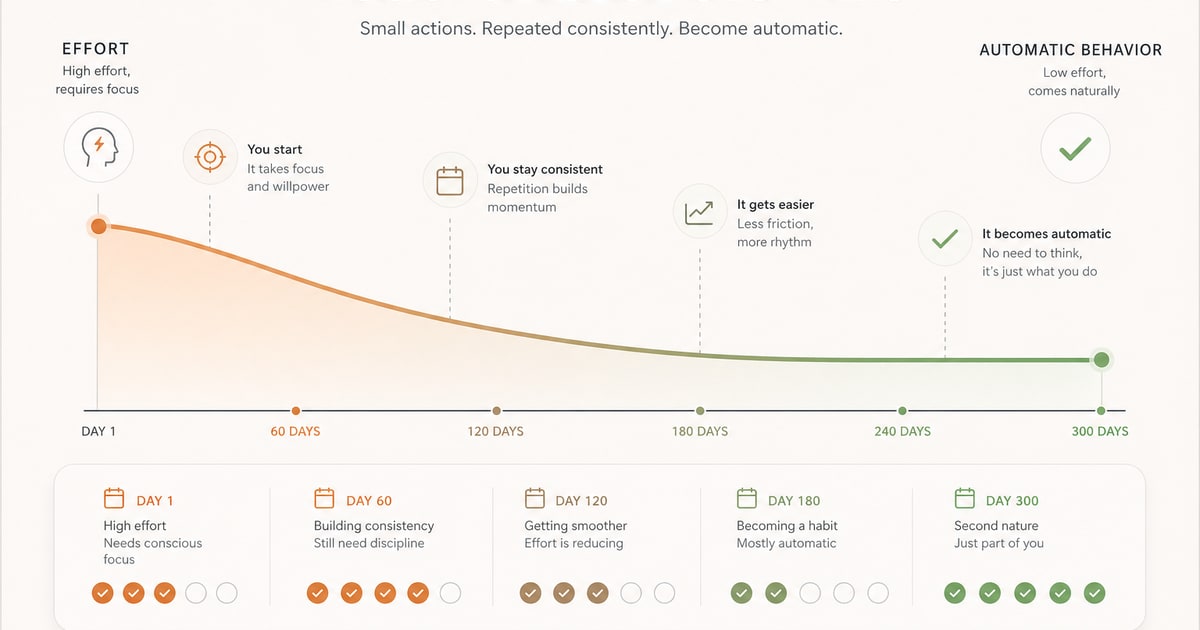
A new systematic review puts median habit formation at 59-66 days, not 21. Here's what that means for how you track and what tools actually help.
Most habit apps create a fragile system. The moment reality interrupts, and it will, there’s no soft landing. A single missed checkbox is surprisingly good at triggering what researchers call the “what-the-hell effect” — and the fix isn’t better willpower. It’s changing what the system can record.
Your Watch is already logging steps, daylight, workouts, and mindfulness. Here's how to let that data do your habit tracking for you.
The science behind habit formation shows that consistency over intensity wins every time. Here's why Meridius is built around this principle.
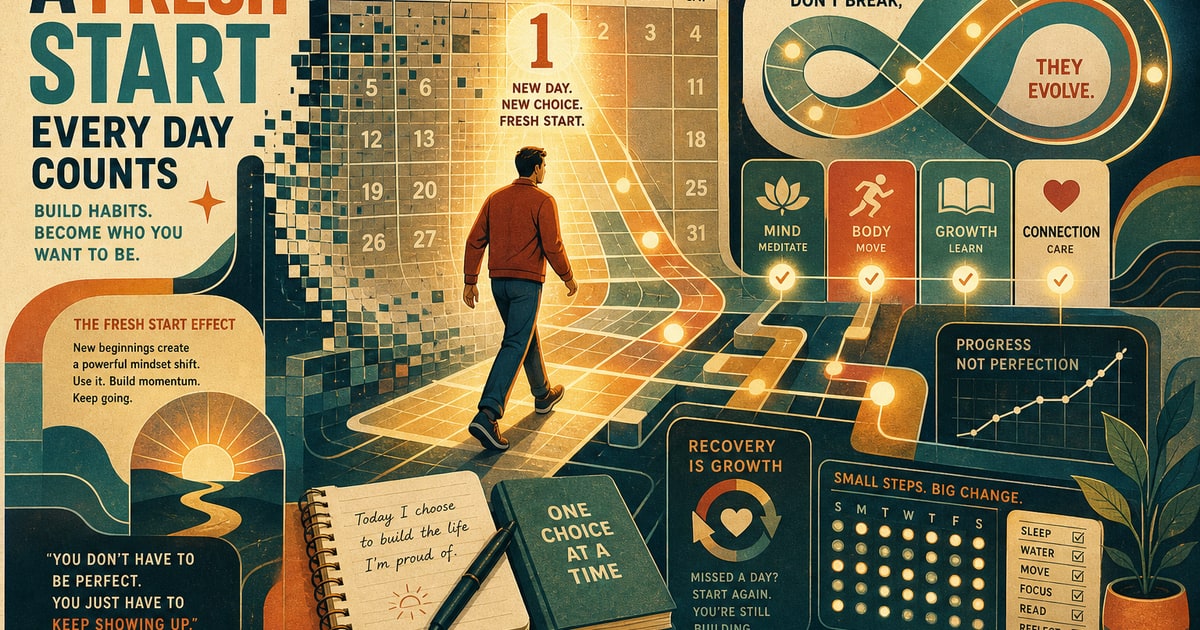
Streak anxiety is real, and it's making habit trackers feel like punishment. Here's why one missed day says nothing about who you're becoming.