
If you’ve worn an Apple Watch for more than a week, you already have months of health data sitting in Apple Health that you’ve never intentionally logged. Steps, stand hours, mindfulness minutes, outdoor time, sleep, workouts. Your Watch collected all of it quietly, in the background, while you were just living your life. Most habit trackers ignore this entirely and ask you to manually check a box anyway. That’s a strange design choice when the answer is already in your pocket.
The metric that’s been getting attention lately is Time in Daylight, a passive sensor reading your Watch has been collecting since watchOS 10. It measures how many minutes per day you spend outside under natural light, and it feeds directly into Apple Health. That’s relevant for habits most people are actively trying to build: getting outside more, walking after lunch, a morning routine that doesn’t start under fluorescent lights. The data is already there. The only question is whether your tools know how to use it.
The habits your Watch is already logging
Beyond daylight, the list is longer than most people realize. Active calories, walking and running distance, resting heart rate, VO2 max estimates, cardio fitness trends, sleep stages, respiratory rate during sleep, noise exposure, time spent in workouts by type. If you’ve set up a mindfulness practice and use the Breathe or Reflect prompts on your Watch, those minutes are in Health too. Stand hours. Flights climbed. All of it, timestamped, sitting in a database on your phone.
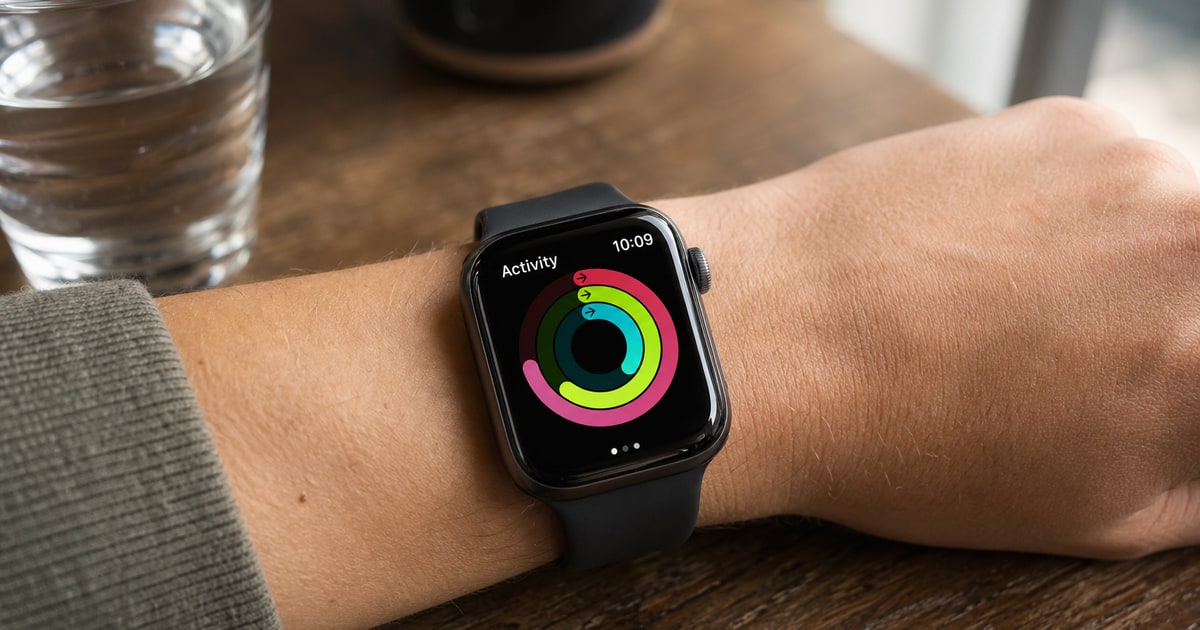
This matters for habit building because one of the most common failure points isn’t forgetting to do the habit. It’s forgetting to log it, or not logging it precisely enough, and then feeling like the day was a wash. You went for a 40-minute walk but didn’t open your tracker in time. You did a workout but couldn’t remember if it was 35 or 45 minutes. That friction compounds over time into a creeping sense that you’re not consistent, even when you actually are.
When tracking becomes a reflection instead of a to-do list
Meridius pulls directly from HealthKit, so habits tied to things your Watch already measures can complete themselves. A daily steps habit, a mindfulness minutes goal, a workout frequency target, or an outdoor time goal based on Time in Daylight, all of these can close automatically when your Watch data hits the threshold. You open the app and see what you actually did, not a list of things you might still fail to check off. That’s a different emotional experience than most trackers offer.
For habits that don’t have a sensor, Meridius uses sliders for quantitative logging rather than binary checkboxes, so you can record nuance without inventing a pass/fail verdict for yourself. But the bigger shift is in what passive integration does to the habit-building mindset over time. When your tracker reflects reality instead of demanding performance, it stops feeling like something you’re behind on. The data becomes evidence of who you already are, which is exactly how identity-based habit change is supposed to work. You’re not trying to become a person who goes outside every day. The Watch already knows you are one.